The Iconic Vigne de l’Enfant Jésus
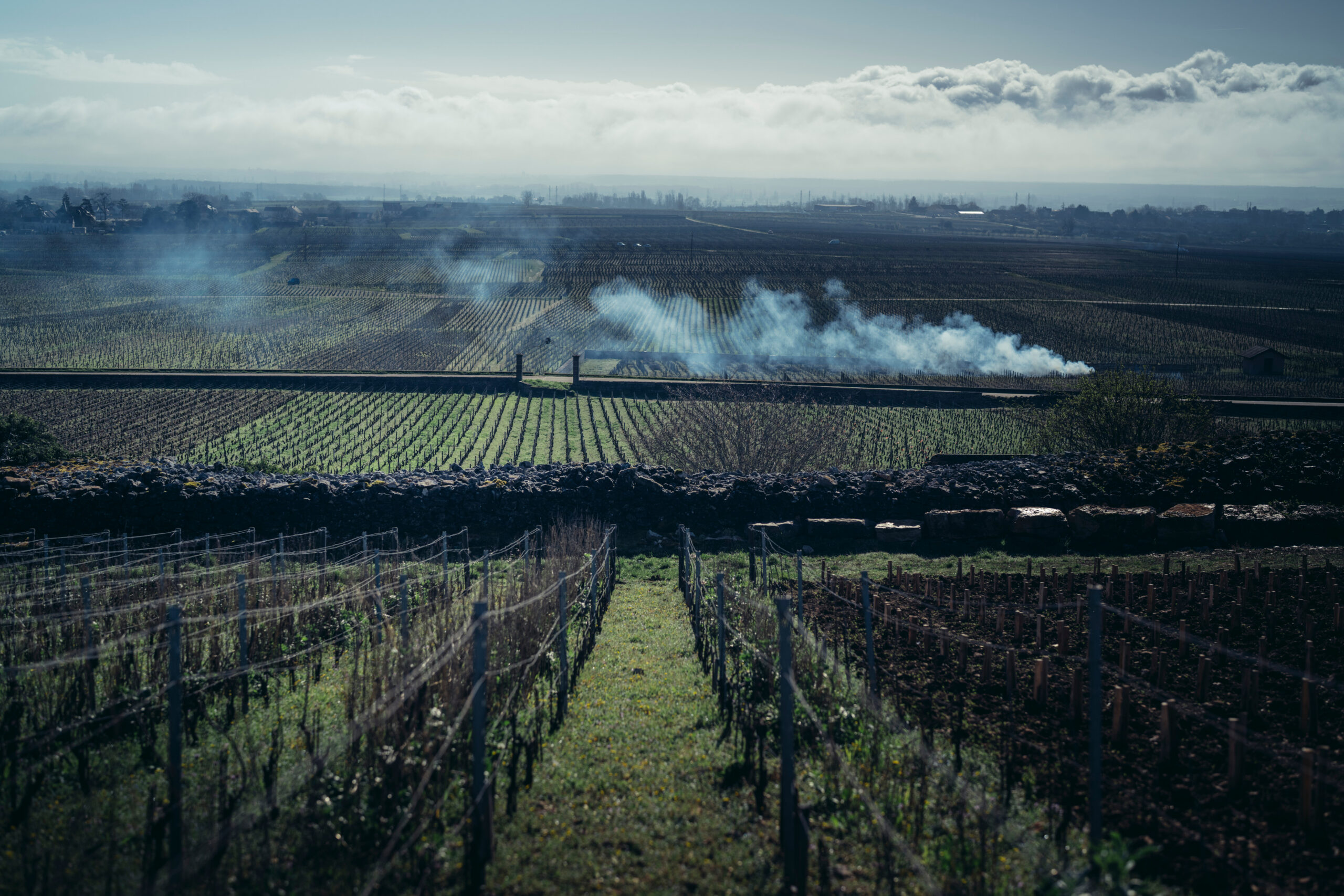
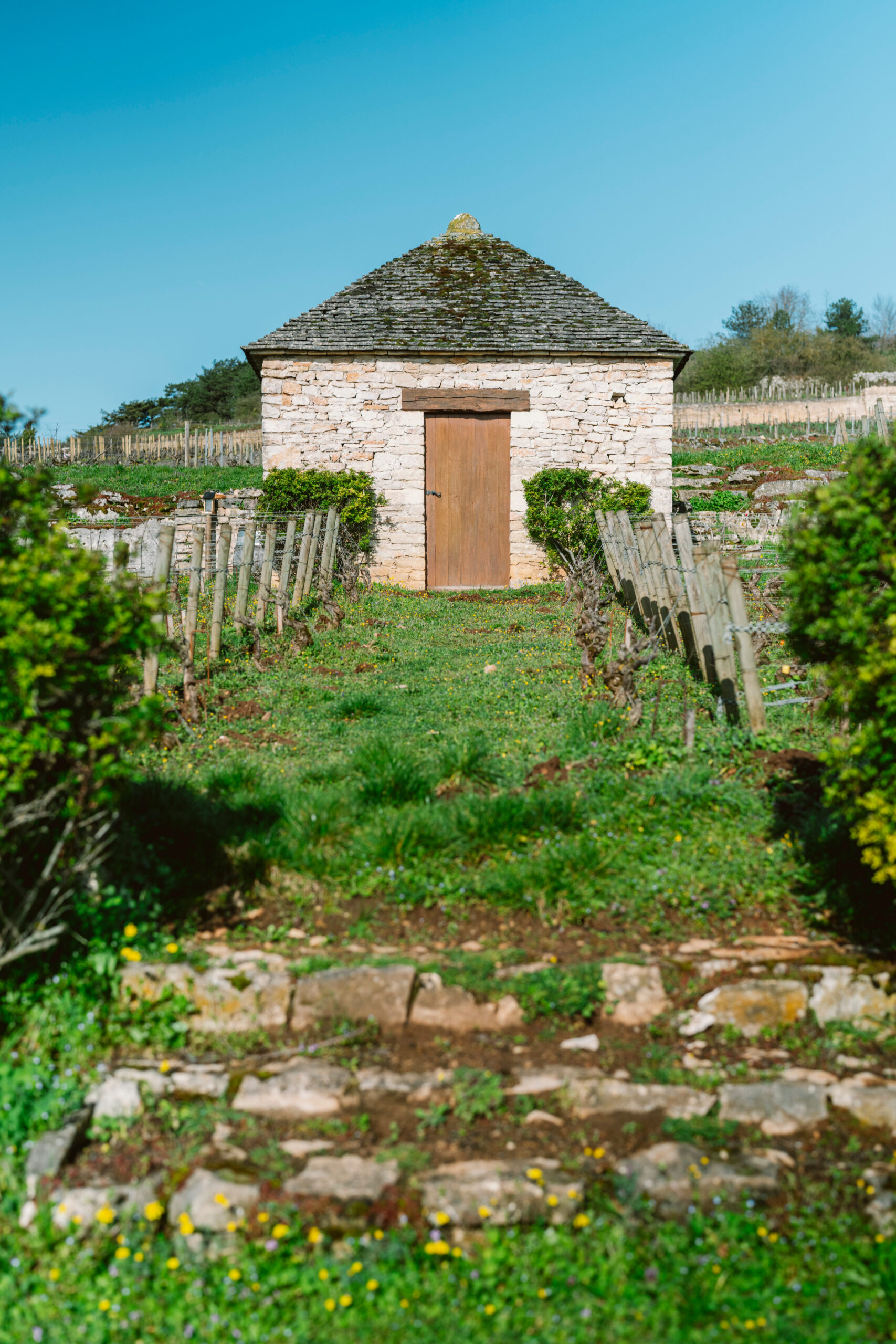
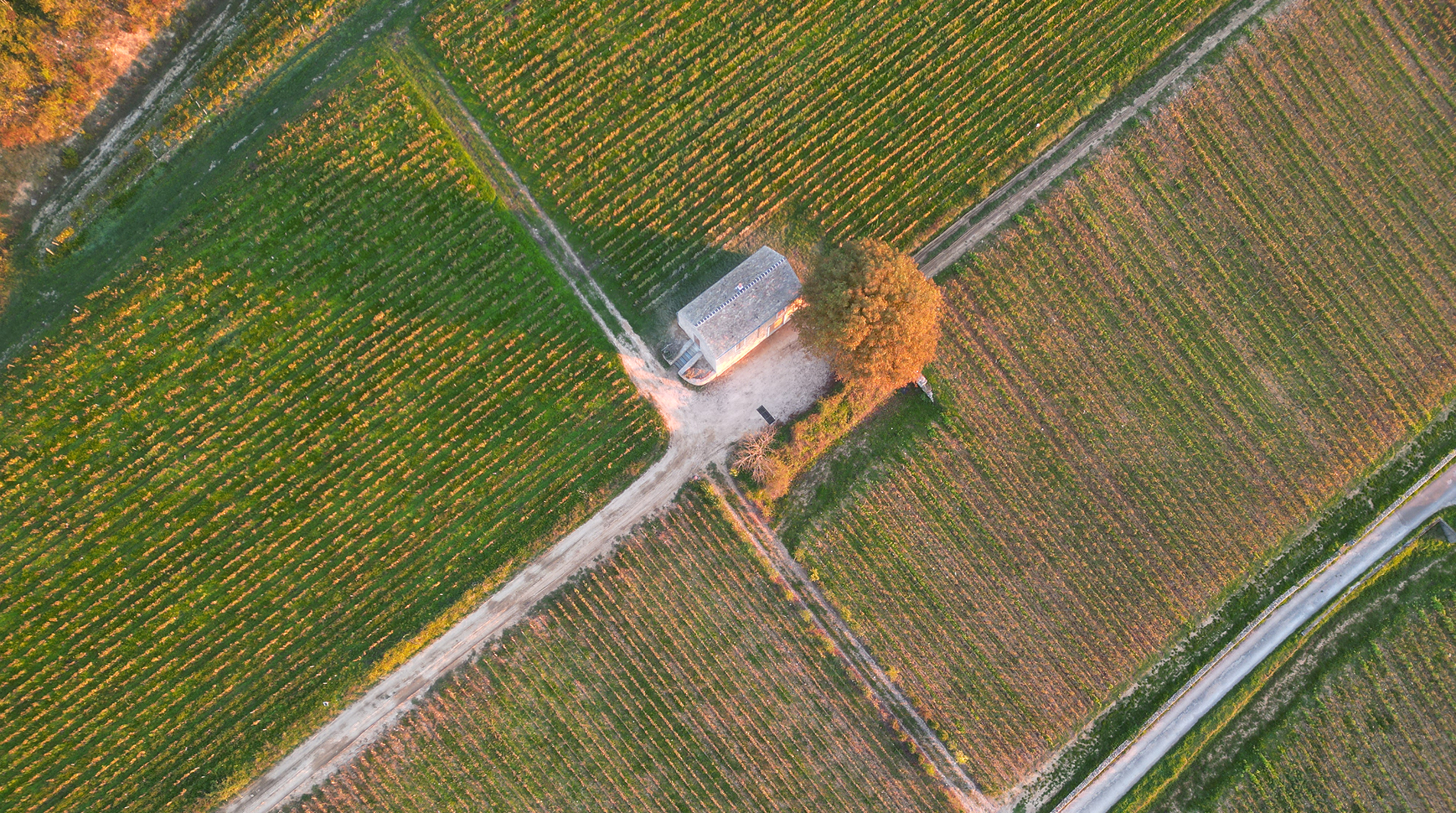
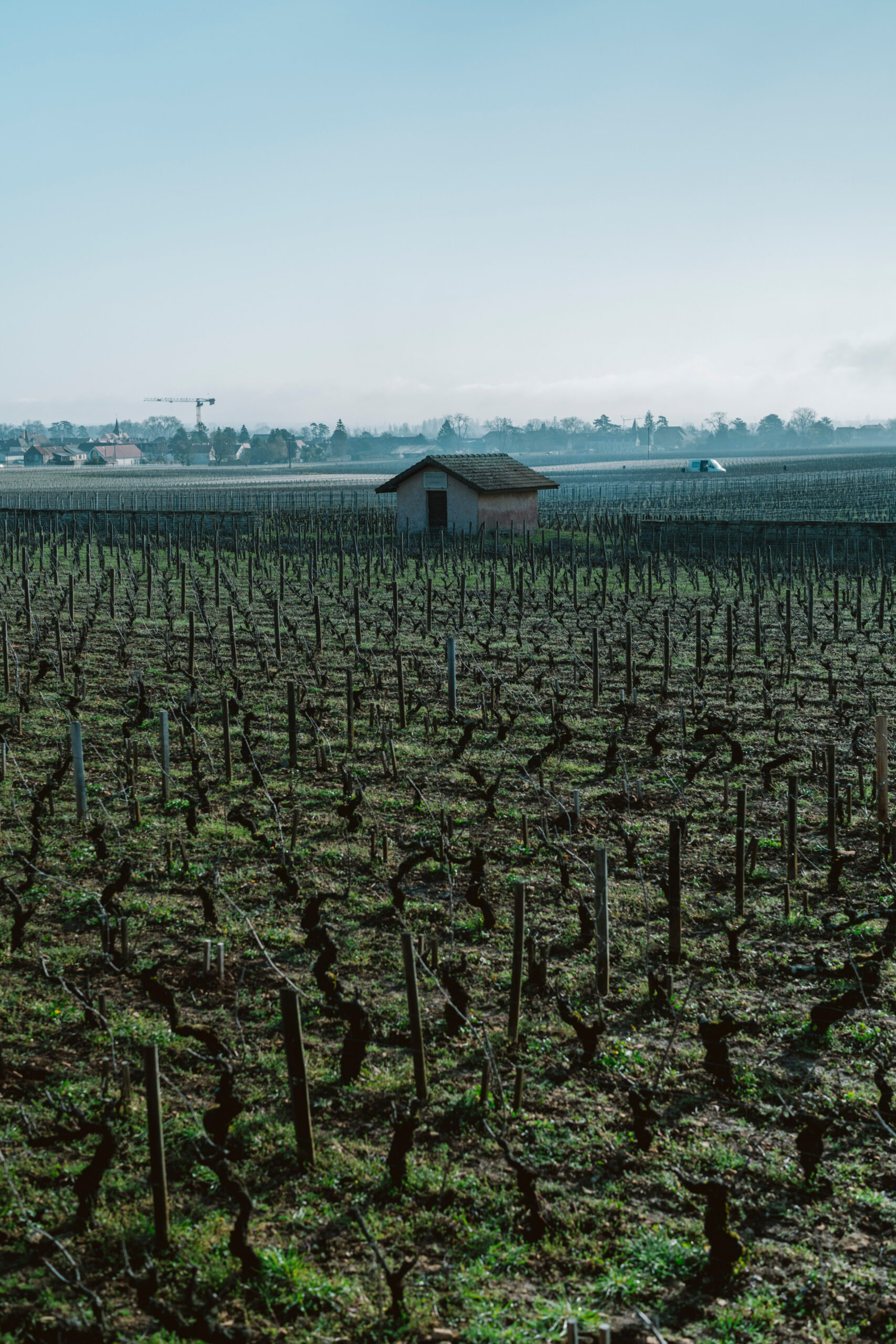
At the heart of this heritage, the Vigne de l’Enfant Jésus stands out as the most iconic of Beaune’s climats. In 1638, Marguerite du Saint-Sacrement, a Carmelite nun and founder of the Servants of the Family of the Holy Child Jesus, is said to have predicted the birth of the future Sun King, Louis XIV. In gratitude, the royal couple presented her with a statuette of the Child Jesus and 3.92 hectares of vineyards ideally situated in the Beaune “Grèves.” Cultivated by the Carmelites until the Revolution, the vineyard—soon named Vigne de l’Enfant Jésus—was gradually acquired by the Bouchard Père & Fils family beginning in 1791. Within the Vignoble des Cabottes, these 3.92 hectares still form a separate parcel today. At its heart stands a stone cabotte (Traditional Burgundian drystone shelter), on which a plaque bears a depiction of the statuette of the Child Jesus.
Beaune’s Historic Monopoles
In Beaune, two historic monopoles add to this exceptional heritage: Clos Saint-Landry, a remarkable plot bearing the region’s oldest traces of white grape varieties, and Clos de la Mousse, a vineyard of rare integrity, entirely “reassembled” by the Bouchard family in 1872 through patient acquisition efforts. The first mentions of the latter monopole date back to 1220, when it was bequeathed to the chapter of Notre-Dame de Beaune by Canon Edme de Saudon.
The Grand Crus of Mont Chauve
Further south, the Grand Crus Montrachet and Chevalier-Montrachet embody the quintessence of Burgundian Chardonnay. Donated to the Cistercian monks in the 13th century, these “Mont Chauve” (Bald hill) vineyards produce white wines of exceptional fullness and length. Two climats that were once grouped together on wine maps and for a long time nicknamed “the Lord’s white vineyard.”
While Montrachet takes its name directly from Mont Chauve, on whose slopes it is planted, its neighbor is said to have earned its chivalric status from a beautiful legend: the lord of Montrachet is said to have divided his lands between his two sons, one of whom became a knight during the Crusades.
Corton, Charlemagne’s footprint
Overlooking the Côte de Beaune, the Corton hill is also one of Burgundy’s historic wine-growing sites. The earliest evidence of its vineyards dates back to the 2nd century B.C. A charming legend also surrounds this appellation. Highly prized by Emperor Charlemagne, this wine was exclusively red at the time. It was only toward the end of his life that certain plots were planted with Chardonnay, in order to produce a white wine that would not stain his white beard, thus giving birth to Corton-Charlemagne